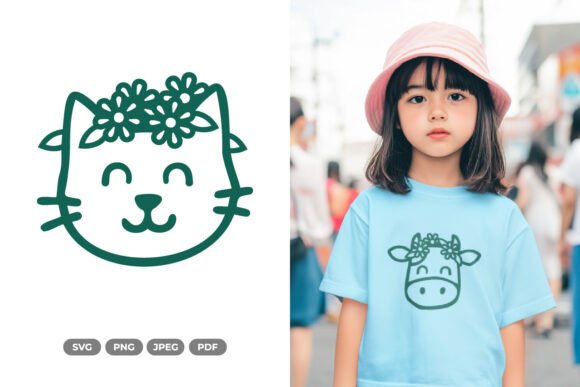
Kawaii Cat SVG Clipart: A Designer's Real-World Embroidery Review
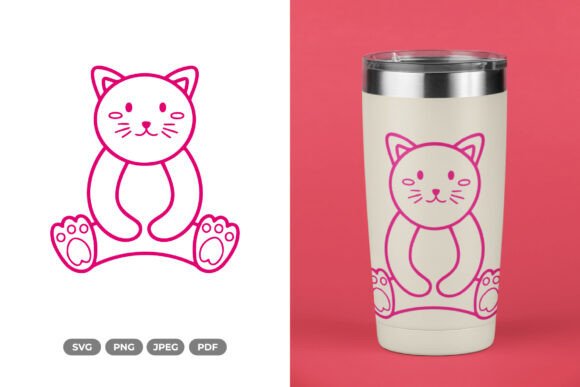
When I first opened the folder for Kawaii Cat SVG Clipart, my immediate thought wasn't about the file format, but rather what kind of product would make this design sing. As someone who spends hours tweaking stitch densities and selecting thread colors for client projects, I look past the cute aesthetic to see how a design translates from a screen to fabric. This piece falls squarely into the Crafts and Graphics categories, but its true value lies in its potential as a finished product asset for small business owners and hobbyists alike.
The mood is undeniably playful and sweet. The shape feels rounded and approachable, suggesting that it belongs on items meant to evoke comfort or joy. However, before you rush to add this to your Etsy shop inventory, we need to discuss how it behaves when it hits the hoop. In my experience, the transition from digital vector to physical embroidery can be tricky, especially with designs that rely heavily on simple shapes and minimal detail.
From Digital Preview to Stitched Reality
I recently tested a similar concept for a custom embroidered tote bag project intended for a local craft fair. The goal was to create an eye-catching visual that would stand out on a busy table full of handmade goods. When I imported the Kawaii Cat SVG Clipart into my digitizing software, the clean lines were promising. But here is where practical judgment comes in: the included PNG file provides a visual reference, yet it does not dictate the stitch path.
If you are planning to use this as a machine embroidery design, you must consider the stitch types required. A design like this typically benefits from a combination of satin stitches for outlines and fill stitches for the body to ensure coverage. If the original artist intended this purely as a print, using it directly for embroidery without adjusting the density could result in puckering or thin spots. For a tote bag design, stability is key. You want the cat to pop against the canvas, not flatten into the weave.
For those selling on platforms like Etsy, the presentation matters. Customers trust a professional finish. If the Kawaii Cat SVG Clipart is used correctly, it elevates the perceived value of a handmade product. It signals that the maker cares about details, which builds brand consistency. However, if the stitching looks messy because the design was too complex for the fabric chosen, customer trust takes a hit immediately.
Where This Design Shines in Real Projects
This design has a natural home in several specific niches. It is perfect for baby embroidery projects, such as onesies or soft blankets for nurseries. The gentle curves and cute theme fit the nursery decor aesthetic perfectly. Similarly, for holiday embroidery, this character could serve as a charming accent on a kitchen towel or a pillow cover during the winter season.
I also envision this working well as an embroidered patch for denim jackets or backpacks. The clean silhouette makes it easy to define edges, which is crucial for patches that will be worn frequently. For small shop products, think of personalized gifts where a name might be added alongside the cat image. The layout seems spacious enough to accommodate text without looking cluttered, provided you choose the right font.
For commercial embroidery projects aimed at corporate branding or event swag, this design offers a friendly vibe that appeals to a wide demographic. Whether you are creating sweatshirt embroidery for a youth group or custom apparel for a boutique, the versatility is there. It works equally well on light fabrics where the contrast is high, making the colors of the thread pop vividly.
Tricky Spots and Where to Proceed with Caution
While the design is charming, it is not without its challenges. One area where Kawaii Cat SVG Clipart requires careful consideration is on curved surfaces like caps or hats. The curvature of a hat brim can distort simple geometric shapes, potentially making the cat look stretched or squashed. If you are attempting a custom apparel project on a cap, you will likely need to adjust the digitization to account for the curve, or stick to a flat surface like a chest pocket.
Another critical factor is the size of the embroidery hoop. If you attempt to stitch this design in a very small hoop size, the fine details might get lost. Tiny corners or delicate features can become muddy if the stitch count is too low. Conversely, if the design is scaled up too large without increasing the stitch density, you risk creating heavy areas that cause the fabric to pucker. Always check whether the design works for both personal and commercial projects by testing it at various scales.
Fabric texture plays a massive role in the final outcome. On stretchy fabrics, such as t-shirt material, the design needs a stabilizer that prevents shifting. Without proper support, the running stitch or satin stitch lines may wander, ruining the symmetry of the cat. Similarly, on dark fabrics, the thread color contrast becomes the deciding factor. If the background is black and the cat is stitched in light pastel threads, the definition might be lost unless you use a dense underlay.
There are also limitations regarding durability. If you are creating items that need frequent washing, such as kitchen towels or work aprons, ensure the stitch density is high enough to withstand friction. Decorative accents that are too sparse may snag or fray over time. For embroidery files intended for long-term wear, stability and density are non-negotiable.
Practical Notes for the Professional Maker
Before you commit to a production run, there are several steps every designer should take. First, test the design on scrap fabric first. This allows you to see how the thread colors interact with the specific material you plan to use. You might find that a color that looks great on screen appears dull on cotton or vibrant on polyester.
Review stitch density carefully. If the design feels too dense, it will be stiff and uncomfortable. If it is too sparse, it will lack substance. Confirm hoop size requirements based on the final product dimensions. Inspect small details closely; sometimes, what looks clear in a digital preview disappears once stitched. Test it in black and white mockups to ensure the contrast holds up even if the color palette changes.
Use proper stabilizer for every project type. Whether you are making a digital embroidery file for a client or a printable mockup for your shop, the underlying structure determines the success. Compare light and dark fabric backgrounds to see which yields the best visual appeal. Finally, confirm licensing before selling finished items or digital products. Even though this is listed under Graphics, commercial rights vary, and you do not want to face legal issues later.
In conclusion, Kawaii Cat SVG Clipart is a strong candidate for anyone looking to add a touch of whimsy to their portfolio. It fits seamlessly into the world of craft business and Etsy sellers who value charm and clarity. By understanding its strengths and respecting its limitations regarding fabric and hoop size, you can turn this simple vector into a high-quality finished product that customers love. The key is to treat it not just as a picture, but as a blueprint for stitching, ensuring that every loop of thread contributes to a professional and delightful result.